Share Market App Insights for New Investors Exploring Stocks
Getting started in the stock market can seem complicated, especially for people who have never bought or sold shares before. Digital applications have made it easier to access market information, study listed companies and manage investments from a smartphone. A Share Market App brings several stock market services together, allowing users to review prices, place orders and check their portfolios.
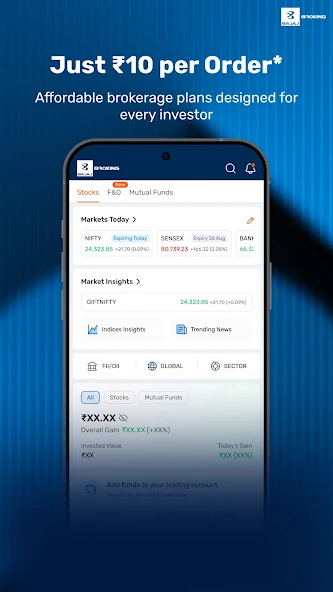
However, choosing an application requires more than looking at its appearance or popularity. New investors should understand the features, charges and risks involved before using one. A reliable Stock Investment App can support informed decisions by providing useful account information and research tools. Understanding how Online Share Trading works is an important first step towards participating in the market.
What Is a Share Market App?
A share market app is a mobile application that allows users to access stock market services through a smartphone or tablet. It is generally provided by a stockbroker and connects investors to the broker's trading system.
Depending on the provider, the application may allow users to:
- Search for listed companies and view stock prices.
- Create and manage watchlists.
- Place buy and sell orders.
- Review investment holdings and open positions.
- Access price charts and market information.
- Check transaction history and account statements.
- Receive notifications about orders and account activity.
Most applications also connect with a demat account, which holds shares and other eligible securities in electronic form. The trading account is used to place orders, while the demat account records securities held by the investor.
How Does Online Share Trading Work?
Understanding the trading process can help beginners use an application with greater confidence. Although the interface may differ between brokers, the basic process generally follows a few steps.
- Open a Trading and Demat Account
Investors usually need a trading account and a demat account to buy and hold shares in India. Many brokers allow users to apply through their mobile applications or websites.
The account opening process generally requires PAN details, identity verification, bank information and other documents specified by the provider. Applicants should review eligibility conditions and account charges before completing registration.
- Add Money to the Account
After the account is activated, investors can transfer funds from their linked bank account. The available balance can be used for eligible purchases, subject to the broker's rules and applicable market requirements.
Users should understand the difference between available funds, used margin and the amount that can be withdrawn.
- Research and Select a Stock
A trading application usually includes a search option to find companies by name or stock symbol. Before selecting a share, investors should examine the company's business, financial performance, industry position and relevant announcements.
A rising share price does not necessarily mean that a company is suitable for every investor.
- Place a Buy or Sell Order
Once a stock is selected, users can enter the quantity and choose an order type. The broker forwards the order to the exchange through its trading system.
An order may be completed immediately, partially executed or remain pending depending on the price, available quantity and market conditions.
Important Features to Look for in a Share Market App
Different applications provide different tools and services. Beginners should focus on features that make it easier to understand their investments and manage account activity.
Live Market Information
Market information helps investors view the latest available prices and changes in stock values. Some applications provide real-time prices, while others may show delayed information depending on the service.
Check whether the displayed data is real-time and understand that prices can change quickly during market hours.
Watchlists
A watchlist allows users to save selected stocks and follow their price movements. Investors can create separate lists for companies they are researching, sectors they follow or shares they already own.
This feature helps organise market information without placing an order.
Charts and Technical Indicators
Price charts show how a stock has performed over different periods. Common chart formats include line charts, bar charts and candlestick charts.
Some applications also provide indicators such as moving averages and the relative strength index. These tools can help users study price trends, but they should not be treated as reliable predictions of future returns.
Portfolio and Holdings
The portfolio section displays information about investments and current holdings. It may include the number of shares, purchase details, current market value and overall profit or loss.
Investors should remember that the displayed value can change with market prices and may not represent the final amount they would receive after selling.
Order History and Notifications
Order history helps users review completed, pending, rejected and cancelled orders. Notifications can provide updates about order status, funds and other account activity.
Reviewing these details regularly can help investors identify errors and maintain accurate records.
Understanding Different Types of Stock Market Orders
Before buying or selling shares, beginners should understand the main order types available in a trading application.
Market Order
A market order instructs the broker to execute a trade at the best available price. It is generally used when the investor prioritises execution over a specific price.
The final execution price may differ from the price displayed when the order was placed, particularly in a fast-moving or less liquid market.
Limit Order
A limit order allows investors to specify the maximum price they are willing to pay when buying or the minimum price they are willing to accept when selling.
The order executes only when the market reaches the specified price and sufficient quantity is available. Execution is not guaranteed.
Stop-Loss Order
A stop-loss order is used to help manage potential losses. When the selected trigger price is reached, the order becomes active according to its conditions.
Investors should understand the trigger price, order type and possible execution risks before using this feature.
How to Choose a Suitable Stock Investment App
Selecting an application involves comparing its services, pricing and reliability. A suitable platform should meet the investor's requirements without making account management unnecessarily difficult.
Compare Brokerage and Other Charges
Trading costs may include brokerage, exchange transaction charges, securities transaction tax, GST, regulatory fees and other applicable levies. Some brokers may also charge account maintenance or additional service fees.
Review the complete pricing schedule before opening an account. A low brokerage rate does not mean that every transaction or service is free.
Check Security Features
Financial applications contain personal and account information. Look for secure login options, two-factor authentication, device verification and transaction alerts.
Use strong passwords and never share login credentials, PINs or one-time passwords with anyone.
Review Customer Support
Beginners may need help with account access, fund transfers, order status or transaction records. Check the broker's customer support channels and available assistance before choosing its services.
Understand Available Investment Options
Some applications support equity trading, while others also provide access to exchange-traded funds, derivatives and other financial products.
Choose an application based on the products you understand and intend to use. Additional investment options should not be a reason to trade in unfamiliar products.
Tips for Beginners Exploring the Stock Market
New investors can begin by learning basic market concepts before committing significant money. Understand the difference between long-term investing and short-term trading, and decide which approach matches your financial goals and risk tolerance.
Start by researching established companies and learning how to read basic financial information. Use watchlists to follow selected stocks without immediately purchasing them. When you begin investing, use an amount that does not affect essential expenses or emergency savings.
Review your portfolio periodically rather than reacting to every daily price movement. Keep transaction records, understand applicable taxes and charges, and seek qualified financial advice when needed.
Conclusion
A share market application can make it easier to research companies, place orders and manage investments through a smartphone. When selecting a Share Market App, beginners should compare its charges, security measures, research tools and account services. A suitable Stock Investment App should provide clear information and features that support responsible investment decisions.
Learning the basics of Online Share Trading can help new investors understand how transactions work and what risks are involved. Careful research, realistic expectations and regular portfolio reviews are important when exploring the stock market.
Frequently Asked Questions
- What is the purpose of a share market app?
A share market app allows users to access stock market services through a mobile device. It may provide stock prices, charts, watchlists, order placement and portfolio information.
- Do beginners need a demat account to invest in shares?
In India, investors generally need a demat account to hold shares electronically and a trading account to place buy and sell orders through a broker.
- Can I use a share market app without investing money?
Many applications allow users to view market information and create watchlists without placing trades. However, account access and available features depend on the provider.
- What charges should I check before choosing a stock investment app?
Check brokerage, account maintenance fees, exchange transaction charges, statutory taxes and other applicable service fees. Charges vary between brokers and transaction types.
- Is online share trading safe for new investors?
Trading applications can provide secure access when offered by regulated brokers and used carefully. However, stock market investments carry financial risks. Investors should research securities, protect account credentials and avoid relying on guaranteed-return claims.